Monday, August 12, 2024

Iris Publishers-Open access Journal of Biology & Life Sciences | Calmodulin and its Binding Proteins


Authored by Gunjan Saini*,

Introduction

Most widely studied calcium binding protein is Calmodulin (CaM), that binds and activates more than 100 different proteins [1-4]. It is expressed in all eukaryotic cells and involved in many physiological and cellular processes like apoptosis, cell proliferation, neuronal signaling and muscle contractions [5-6]. It is a low molecular weight (16kDa), and extraordinarily conserved proteins, across the evolutions [7].

irispublishers-openaccess-biology-life-science


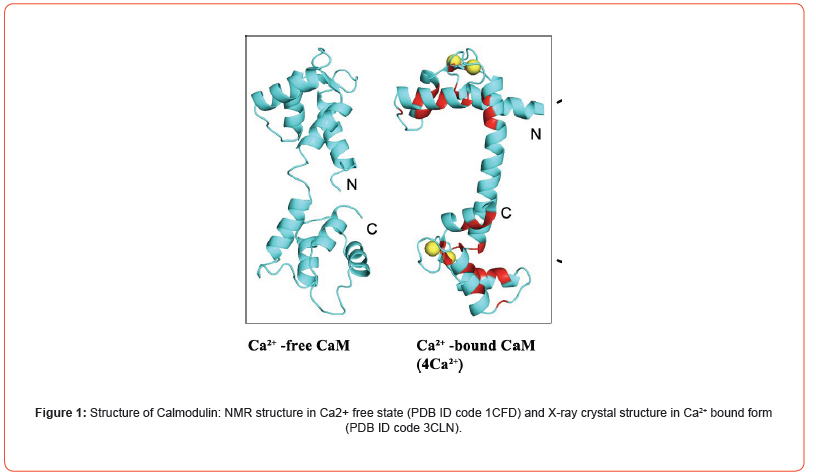
CaM consists of two globular domains: N- and C-terminal, separated by linker helix (Figure 1). Each domain consists of a pair of EF-hands, that can bind two Ca2+ ions [8-10]. Both N- and C- domains show different binding kinetics to Ca2+ ions. Both domains have 10-fold difference in Ca2+ affinity and N-terminal domain binds faster than C-terminal lobe. Ca2+ binds to both pairs of EF- hand in a cooperative manner. Upon binding to Ca2+ ions, it undergoes a conformational change which opens several hydrophobic patches that facilitates its binding to several different downstream binding proteins (more than 100) [11-12]. This Ca2+ ions binding is readily reversed by chelation of Ca2+ ions with a chelating agent, EDTA. The flexible linker helix helps to wrap the CaM around the target binding protein. Many other binding mechanisms are also known [2]. Furthermore, downstream binding protein alters the binding affinity of CaM towards Ca2+ ions.

CaM binds up to vast number of downstream proteins, including enzymes that play important role in regulation of cellular processes like smooth muscle contraction, lipids metabolism and cell proliferation [3,5,6]. In this research article, we will discuss the role of this extraordinary, conserved CaM protein in contractility of muscles and in long term potentiation (LTP). CaM dependent protein kinases have specific sequences that bind to the calmodulin. These specific sequences are known as calmodulin binding regions. The first calmodulin binding domain was identified and sequenced in 1985 in Kreb’s laboratory with a collaboration effort of researchers at University of Washington in the structure of rabbit skeletal muscle MLCK [13].

Discussion

One of the most important steps in the contraction of smooth muscles is phosphorylation of the light chain of the myosin. This phosphorylation is done by Ca2+ -calmodulin dependent myosin light chain kinase (MLCK) [14]. This MLCK becomes stimulated when a calcium bound calmodulin is attached to it. Contractility of smooth muscle is dependent on the presence of Ca2+ and its binding to the calmodulin and activation of Myosin light chain kinase (MLCK) [14].

In the central nervous system (CNS), changes in the volume settings of the synapses that cause memory formation are initiated by pulses of calcium ions rising through NMDA glutamate receptors in post synaptic spines. Potentiation or depression of synapse is determined by the difference in the size and duration of the pulse of the calcium. Ca2+ -calmodulin -dependent protein kinase II (CaM kinase II) is involved in the neuronal signaling that underlies the learning and memory information [15]. CaM kinase II is a dodecameric oligomer that phosphorylates a wide number of substrates to regulate calcium mediated changes in the cellular function. CaM kinase is activated by the calcium bound calmodulin. When CaM binds to a subunit of CaM kinase, it activates its kinase activity that initiates the phosphorylation of the other proteins. CaM kinase II is also important for calcium homeostasis.

To read more about this article...Open access Journal of Biology & Life Sciences

Please follow the URL to access more information about this article


To know more about our Journals...Iris Publishers

To know about Open Access Publishers

Tuesday, August 6, 2024

Iris Publishers-Open access Journal of Complementary & Alternative Medicine | Case Report on Acupuncture Treating Wilson Disease


Authored by Fanrong Liang*,

Abstract

Wilson disease (WD), an autosomal recessive disease with abnormal copper metabolism, is caused by mutations in the ATP7B gene. It is characterized by liver, nervous system, and ocular manifestations related to the deposition of copper in the liver, lens nucleus, and cornea. The case reported in this article was a 30-year-old woman with high muscle tension, unable to stand or walk, low voice, and short-term memory loss. Brain MRI showed patchy T1, long T2 signals, and high FLAIR showed signals in the basal ganglia thalamus area, subcortex, and brain stem. Low signal shadows were presented in magnetically sensitive bilateral basal ganglia region, callus, and cerebellar dentate nucleus. Ceruloplasmin was significantly reduced. With conventional treatment by western medicine, the symptoms were not alleviated. However, after the application of acupuncture-assisted treatment, the patient is capable with self-care ability, thus a desired effect was achieved. It is therefore suggested that acupuncture shall be applied to assist treatment of WD to relieve symptoms and help patients return to the society.

Keywords:Wilson disease; Hepatolenticular degeneration; Acupuncture

Introduction

Wilson disease (WD), also called Hepatolenticular Degeneration (HLD), is an autosomal recessive disease with abnormal copper metabolism, caused by mutations in the ATP7B gene [1]. ATP7B gene, which encodes a transmembrane copper-transporting ATPase, leading to copper overload in the liver, brain and other organs [2]. Copper is a crucial micronutrient needed by animals and humans for proper organ function and metabolic processes such as hemoglobin synthesis, as a neurotransmitter, for iron oxidation, cellular respiration, and antioxidant defense peptide amination, and in the formation of pigments and connective tissue [3]. Impaired ATP7B function in Wilson disease results in excessive accumulation of copper in liver, brain, and other tissues. Toxic copper deposits may induce oxidative stress, modify expression of genes, directly inhibit proteins, and impair mitochondrial function, leading to hepatic, neuropsychiatric, renal, musculoskeletal, and other symptoms [4].

WD usually occurs in childhood or adolescence, and it starts with hepatic and neurological manifestations. There are also a few patients whose first symptoms are neurological symptoms, hemolytic anemia, or renal impairment. But eventually, liver and nerve damage will appear. Most patients will have a K-F ring in the eye, but there are a few patients who don’t [5-7]. Given that the occurrence rate is relatively low, clinicians lack experience in diagnosis. Therefore, it is common for patients without K-F ring manifestations fail to receive timely diagnosis and treatment, which always leads to organ malfunctions. A series of clinical symptoms are presented due to copper excretion disorders which leads to accumulation in human body, mainly including symptoms of the liver, nervous system and eyes, as well as the kidneys, cardiovascular system, heart, etc. The incidence of WD in China is higher than that in the west [8].

Case Report

A 30-year-old female patient paid her first visit to acupuncture clinic since she couldn’t stand or walk. Her family complained that she suffered from hepatolenticular degeneration and the first diagnosis was made in 2007. However, in 2005, she developed jaundice, liver coma, and abnormal blood coagulation, yet no clear cause was found. She was discharged after the symptoms were relieved by western medical treatment. In 2007, she was diagnosed with nodular cirrhosis during gallstone surgery. Therefore, WD was diagnosed, followed by test showing significantly reduced ceruloplasmins. Additionally, copper drainage was given, and the patient was discharged after cholecystectomy. The patient continued to have hypoproteinemia, and long-term use of albumin. The hypoproteinemia was relieved after she was treated with acupuncture and Chinese herbal medicine for four months. In 2008, he had colectomy due to dolichosigmoid, the postoperative patient was in good physical condition and could take care of herself and be able to work normally. Until 2017, an unexplained diarrhea occurred, and her weight was reduced to 28 kg. Then she had mental symptoms including visual hallucinations, fear, and speech rambling, etc. She couldn’t walk stability, and cerebral hemorrhage occurred after falling down. She was then admitted to the Department of Neurology, West China Hospital for treatment.

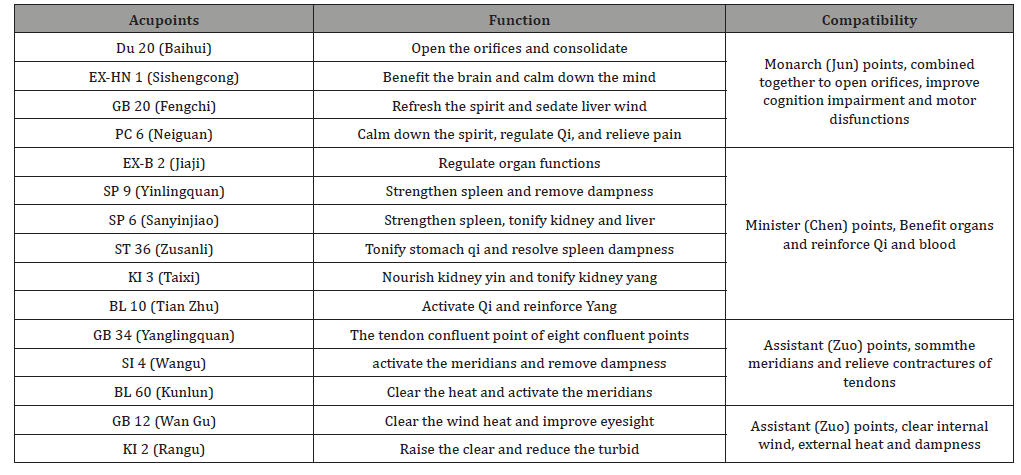
The admission examinations showed that ceruloplasmin was 34.2mg/l, 24-hour urine copper was 0.55umol/l, prothrombin time was 13.2s, INR was 1.21, D-dimer was 1.33mg/l. MRI of head showed that there were slightly longer T1 and T2 signals in bilateral basal ganglia thalamus, subcortical and brainstem, and higher flair signal. Low signal shadow was seen in the basal ganglia, substantia nigra and dentate nucleus of cerebellum. The ventricles, cisterns and sulci were widened, especially around the cerebellum. Midline structure was centralized. No abnormal signal is found in skull. ECG: sinus tachycardia, T wave changes. No abnormality was found in liver and kidney function and electrolyte. The cerebrospinal fluid was normal and TB antibody was negative; No abnormality was found in glucose-6-phosphate dehydrogenase 1131iu / L and anticardiolipin antibody Ru / ml; K-f ring was never found in the patient. The patient didn’t follow low-cooper diet since the diagnosis till the inpatient admission. She was given quetiapine fumarate tablets, dobutazide tablets, escitalopram oxalate tablets and dimercapto butanediol tablets after admission. After 21 days of treatment, the patient was discharged from the hospital and could communicate with his family, but she was unable to stand or walk, and had difficulty in articulation. She again looked for acupuncture treatment. Since May 2019, she received acupuncture treatment in Prof. Liang Fanrong’s clinic, three times per week. The acupoints were: GB 20 (Fengchi), GB 12 (Wan Gu), BL 10 (Tian Zhu), GB 8 (Shuai Gu), Du 20 (Baihui), EX-HN 1 (Sishengcong), EX-B 2 (Jiaji), PC 6 (Neiguan), SI 4 (Wangu), SP 9 (Yinlingquan), GB 34 (Yanglingquan), ST 36 (Zusanli), SP 6 (Sanyinjiao), KI 3 (Taixi), BL 60 (Kunlun), KI 2 (Rangu). The compatibility of acupoints shows in Table 1. Moxibustion box was applied on the acupoints at the back. After 14 times of treatments, the patient could walk for two meters without any assistance. Her menstruation also returned normal after a few years of pause. Until January 2020, she has totally received 50 times of treatments. Except for the low voice, the patient can take care of herself, and her short memory was returned as well. Both her family and her were satisfied with the effect.

Table 1: She is now continuing her acupuncture treatment in the clinic.

irispublishers-openaccess-complementary-alternative-medicine

Discussion

Early diagnosis is crucial for WD. Preferably when the child/ adolescent is asymptomatic, it is most likely to result in nearnormal longevity with generally good health so long as the patient tolerates effective medication, is adherent to the lifelong treatment regimen, and has consistent access to the medication [9]. An early diagnosis of WD, and appropriate anticopper treatment, usually leads to a marked improvement in patient health. Furthermore, if the treatment is performed before tissue damage, tissue damage can be avoided. Tissue damage can be reversed in most patients [10]. Conversely, delayed diagnosis can result in persistent pathology, which, left untreated, can ultimately prove lethal [11].

The clinical manifestations of WD are very complex, because copper accumulates not only in the liver and brain, but also in other organs. Liver injury can also be the cause of secondary impairment of other tissues. Therefore, the clinical manifestation of WD may involve liver, renal, cardiac, skin, osteoarticular, or endocrinologic and include other organ disturbances [12]. In almost 20% of cases, psychiatric disorders is the first clinical manifestation of WD [13]. Together with a combination of symptoms, it can easily lead to misdiagnosis.

For conventional medical treatment, copper chelating agents and zinc preparations were mostly applied. If early diagnosis and timely treatment are available, patients are expected to obtain a healthy life. However, all currently available WD treatments are associated with adverse effects in a subset of patients, such as neurological deterioration.

The patient in this article started with hepatic symptoms, unfortunately the diagnosis was not confirmed in time. The diagnosis of WD and corresponding treatments were given 2 years later, so that the patient could work and live normally in the next ten years. However, since she didn’t strictly control the diet and receive treatment on time, neurological and psychiatric symptoms appeared. Through acupuncture-assisted treatment, the relatively ideal effect was achieved.

Traditional Chinese Medicine (TCM) hasn’t made a clear statement regarding WD. Based on the symptoms of high muscle tension, unable to stand or walk, pale and thin tongue, deep and thin pulse, the TCM diagnosis was “Tendon Disease (Jing Bing)”. The location of Tendon Disease is, apparently, at the tendons. Liver is in charge of tendons. According to the theory of five elements, kidney (corresponding to water) can nourish the liver (corresponding to wood), and liver restrains spleen (corresponding to earth). If liver is sick, it would over-restrain spleen, lead to spleen deficiency. According to Discussion on Tendons and Bones, Su Wen, Inner Canon of the Yellow Emperor (Huang Di Nei Jing), the disorders of Du vessels are manifested with contracture and intensity of neck and muscles. The collateral of Du vessel is connected with Shaoyin meridian, passing by the spin and belonging to the kidney. Therefore, WD, in TCM, is correlated to liver, spleen (stomach), kidney, and Du vessels. The contracture is caused by external blockage on the meridians, Qi and blood accumulation. As per transformations of the syndrome differentiation, it could turn into heat and fire flaming, which consumes the yin fluid; If it lasts for a long period or if the treatment is delayed, the liver essence and kidney blood shall be insufficient; If the symptoms include poor appetite and fatigue, then the spleen earth is deficient; If the chronic pathogens dwells into the collaterals, or there is external trauma, there will be blood stagnation and blocked vessels. Technically speaking, there could be deficient or excessive syndromes, contracture due to insufficient nutrition in the tendons and meridians, and this is the pathogenesis of WD in TCM diagnosis. While for this patient particularly, given her course of treatment, tongue and pulse, her syndrome differentiation was liver, spleen and kidney deficiency, combined with Qi deficiency and blood stasis. So acupoints Du 20 (Baihui), EX-HN 1 (Sishengcong), GB 12 (Wan Gu), SI 4 (Wangu), PC 6 (Neiguan), GB 20 (Fengchi), and BL 10 (Tian Zhu) were selected to relieve insomnia, depression, visual hallucinations and other mental symptoms. EX-B 2 (Jiaji) was chosed to regulate the zang and fu organs. Combining with moxibustion, it can strengthen the beneficial effect on functions of zang-fu organs. Puncturing SP 9 (Yinlingquan), together with GB 34 (Yanglingquan), extrapyramidal symptoms such as tremor, salivation, and high muscle tension were relieved. ST 36 (Zusanli) and SP 6 (Sanyinjiao) can reinforce the postnatal Qi, while KI 3 (Taixi), BL 60 (Kunlun), and KI 2 (Rangu) can tonify the prenatal Qi, in return to strengthen the postnatal Qi, so the blood could be transformed from the Qi. Through the combination of all the acupoints above, both Yin and Yang were reinforced, and Qi and blood were simultaneously regulated.

There are few reports on acupuncture treatment for WD, but several researches have shown that acupuncture could promotes neurogenesis and cell proliferation in the central nervous system [14] Additionally, acupuncture presents antagonizing oxygen stress and anti-free radical effect [15]. Meanwhile, omics’ studies have found that acupuncture can regulate metabolism, recover the disordered functions, which might be the effective mechanism of acupuncture.

Conclusion

“To treat the same disease with different approaches and different diseases with the same approach”, proposed by the basic theory of TCM, applies the same therapy for different diseases with the same syndrome pattern, while different approaches for the same disease with different patterns. Though the cause of WD is cooper accumulation, the pathogenesis is disordered functions of functions in TCM diagnosis. Therefore, acupuncture is trying to regulate the functions of organs thus to improve the physical state of body, such as the recovery of motor function and short memory, appetite, and menstrual cycle. In the process of WD treatment, acupuncture shall be applied to relieve symptoms, which is conducive to help the patients return to society, and in consequence reduce the medical and social burden. The concept of “to treat the same disease with different approaches and different diseases with the same approach” could be applied in various disorders as well.

To read more about this article..Open access Journal of Journal of Complementary & Alternative Medicine

Please follow the URL to access more information about this article


To know more about our Journals...Iris Publishers

To know about Open Access Publishers

Iris Publishers-Open access Journal of Textile Science & Fashion Technology | An Overview on the Impacts of Textile Effluents on the Aquatic Ecosystem in Turag River at Bangladesh


Authored by Mustafijur Rahman*,

Abstract

The Turag River has an extensive reputation for backing the coastal people’s income for years; nonetheless, its burden is enormous owing to numerous anthropogenic drivers. DEPZ (Dhaka Export Processing Zone) can be considered one of the crucial zones for textile industries. DEPZ is situated in Savar, and the nearest river is Turag, the upper tributary of the Buriganga. The Turag originates from the Bangshi River, the latter an essential branch of the Dhaleshwari River. Since this area is a cluster area for the industries, Turag has been identified as the most affected waterbody by the industrial effluents. Some research was conducted on the characteristics of the effluents and the impact on the nearby land, water bodies, and the health of the human and aquatic systems of the adjacent area of DEPZ. Still, there is a gap in research on species richness and abundance in the Turag River. IUCN red list 2000, IUCN red list 2015, and the MACH project are reliable sources of information found. Since 2015, IUCN red list has not been updated, and limited research has been conducted to update the severity of the current status. This write-up tries to review and summarize findings from other research and find the gaps. There was no quantitative inventory information on fish abundance and richness. Hopefully, it will be helpful to project the importance of protecting aquatic biodiversity, and law enforcement will be strengthened. More research is needed to save the endangered native aquatic species’ biodiversity. If used with more information, this article can be a stepping stone in the right direction for scholars.

Introduction

The textile industry has been the pillar of Bangladesh’s economy for decades. In Bangladesh, the export value of the textile sector is approximately 28 billion USD per year, which subsidizes about 81% of the country’s total export earnings and funds 20% of Bangladesh’s GDP (gross domestic product) [1]. With all the silver linings, this sector is also one of the top contributors to environmental pollution. Approximately 5% of all landfills are textile effluents; textile dyeing, and printing treatment contribute 20% of water pollution [2]. Textile wastewater contains various chemicals such as oil, grease, caustic soda (NaOH), Glauber salt (Na2SO4), ammonia (NH2), sulfide (S2-), lead (Pb), heavy metals, and other toxic substances [3]. Also, the textile industry produced effluents comprised of high temperature, an array of pH values, BOD (biochemical oxygen demand), COD (chemical oxygen demand), TDS (total dissolved solids), heavy metals, and intense pigment. An enormous amount of water, dyestuffs, and synthetic chemicals, the carriers of heavy metals, are consumed during textile dyeing and printing treatment. Without proper waste management treatment, the effluents are disposed of in nearby rivers, lakes, land, or landfills. Toxic heavy metals and residues in river water and soil in the surrounding areas have been significant alarming factors during the last decade [1,4,5]. Crude textile waste can pollute groundwater, and waterbodies diminish dissolved oxygen in water and distress aquatic ecosystems [6]. Numerous studies have been done on the composition of effluents, and laws require a mandatory ETP in every textile unit. Still, the most common practice is dumping the affluent in the nearby waterbodies or lands. In 2016 textile industries in Bangladesh produced approximately 1.80 million metric tons of fabric originating about 217 million m3 of wastewater (2016) containing an array of contaminants [6].

Bangladesh is a glaciofluvial nation of 147.570 km2, and its population is about 160 million. This country is privileged in consuming widespread aquatic assets, which inlets cover an area of 4.70 million hectares in various forms such as ponds, natural despairs (haors and beels), lakes, canals, rivers and so on [8]. The fisheries sector contributed a significant GDP (4.39% to national GDP and 22.76% to agricultural GDP). Moreover, this sector contributed 2.46% of the total export earnings in Bangladesh [9]. Fish delivers Sixty Percentage (60%) of nationwide animal protein ingesting. Moreover, fisheries division performs a crucial part in creating employment in rural areas and scarcity mitigation. Currently, yearly fish demand is 33.90 metric tons, and fish consumption is 18.94 kg each year by a person. Therefore, it can decrease its undernourishment difficulty by growing aquatic fish production [9]. Many family members in rural areas are involved in freelance fishing work from aquatic sources such as the rivers and other open water areas. However, the aquatic environment’s physical, chemical, and biological properties can be degraded by many textile effluents and could damage human health, livestock, and other biodiversity [10,11]. Heavy metals can be considered lethal pollutants as they are non-biodegradable and toxic, and they are capable of entering the food chain [13-15]. The Dhaka Export Processing Zone (DEPZ) is the 2nd EPZ, and the most significant industrial zone of Bangladesh started its maneuver in 1993; Ninety- two (92) industrial units are situated in this zone, which is creating pollution and degrading environment for the entire area [16]. The Turag River flowing by the side of Dhaka city is one of the most contaminated rivers in Bangladesh [17]. Turag River supposedly originates enormous contaminant loads from industrial wastes straight as this area is a cluster area of industries, textiles, dyeing, and pharmaceuticals. Several canals, channels, and pipes were detected to directly discharge industrial, municipal, and domestic sewage into the Turag [18]. Industrial effluents dumping without treatment into the water bodies have been alarming for local aquatic pollution, leading to fish death in many cases [19]. It does affect not only species richness but also species abundance in the specific aquatic ecosystem. To compare the situation, this report has researched several articles and IUCN red lists (2000) to categorize the endangered species and have an idea about abundance in the study area.

Methodology

Study area map

The Turag originates from the Bangshi River, an important tributary of the Dhaleshwari River, flows through the Gazipur district and joins the Buriganga at Mirpur in the Dhaka district (Figure 1).

irispublishers-openaccess-textile-science-fashion
-->

Secondary data were collected from several papers related to the subject for this article. Google Scholar, Scopus, and Web of Science were searched using related keywords like “textile industries in Bangladesh,” “effluents, “aquatic ecosystem,” and so on. Finally, approximately 20 peer-reviewed articles were shortlisted. Most of the articles were from high impact journals of renowned publishers such as Elsevier, Taylor and Francis, Springer, etc. Most of the articles were published between 2014 to 2022. Related government policies were analyzed, some projects like “MACH ((Management of Aquatic Ecosystems through Community Husbandry), NSP (Nishorgo Support Project) were also reviewed for reliable information about species richness and abundance information. Some information has been collected from reputed newspaper as well. There was no quantitate information found on abundance of each species in this river. The information about abundance used here are driven from survey conducted by various research teams and the data collected from the local fisher and non- fisher communities.

The IUCN (International Union for Conservation of Nature) Red Booklist was used as a guideline to categorize the fish species of the study zone in terms of ‘endangered,’ ‘critically endangered,’ or ‘vulnerable.’ There are several policies in Bangladesh to protect endangered species. In 1982, the Government endorsed the amended fish conservation law and promulgated ‘The Protection and Conservation of Fish (Amendment) Ordinance, 1982. It was further amended in 1995 and then in 2002. To boost the fishery sector, the Government ratified ‘The Bangladesh Fisheries Development Corporation Act, 1973 and established the Corporation under this Act.

Results and Discussions

In the Dhaka district, 33% of industries are located, and 32% are in Narayanganj. There were 298 polluting textile mills listed by DoE in 1986, which is now 365 in number [11]. The typical characteristics of wastewater produced by the textile industry include high temperature, a wide range of pH values, biochemical oxygen demand (BOD), chemical oxygen demand (COD), total dissolved solids (TDS), heavy metals, and intense pigment [20]. High-temperature wastewater discharged into rivers may increase the temperature of the water body, which in turn can affect flora and fauna [21].

Fishes are fairly receptive to deviations in their surrounding environment [18]. Fish communities has been considered as a good biological indicator and followed by several authors [22, 23]. Apart from fishes some aquatic plants like Ipomoea Aquatica (locally named as “Kolmi Shak”), Nymphaea nouchali (locally known as “Saluk”) and Trapa natans (locally named as “Panifal, Singra”) were also found to be part of Turag river aquatic system [44].

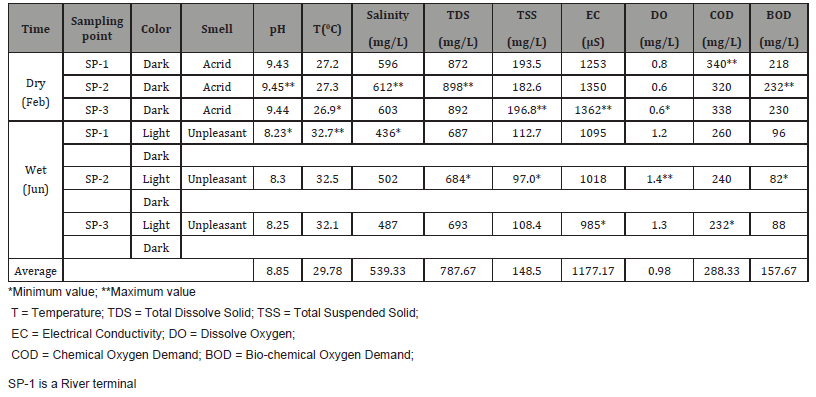
Table 1 presents the standard value for the physicochemical parameters, and Table 2 data was taken by Sarkar et al. in different seasons (dry-February, 2015 and wet-June, 2015) to compare and analyze whether they fall in the standard range [22].

Table 1:Department of Environment (DoE) standard value for the physicochemical parameters [22].

irispublishers-openaccess-textile-science-fashion

Table 2:Physicochemical parameters in the Turag River [22].
irispublishers-openaccess-textile-science-fashion

Dissolved Oxygen (DO) is a vital water quality parameter. Hence, it provides information about aquatic bacterial movement, photosynthesis, accessibility of nutrients, stratification, and so on [25]. The decrease of DO makes the water environment inhabitable for aquatic biota [26]. In table 2, DO ranges from 0.6 to 1.4 mg/L with an average value of 0.98 mg/L, which is lower than that recorded by Rahman et al. and Mobin et al. [27, 28] close to these points. Though the lower DO value on Sp-1 was explained by Akash et al. that sp-1 being a river terminal daily, a big load of human wastes and untreated oil are discarded into the river, which may be a likely source of DO decrease [24].

COD denotes the organic content present in the water body. Higher COD value designates the higher organic pollution [26]. The COD level ranged in this study by Akash et al. was between 232 to 340 mg/L and average value is 288.3 mg/L, which is higher than the DO standard. The higher value of COD implies a higher amount of the industrial and municipal discharge load [24]. Apart from that, in the dry season, due to declined water flow, the growth of microorganisms rises greatly, which is another possible reason for a higher value of COD [24]. BOD specifies how much oxygen is required for microorganisms to oxidize for a given quantity of organic matter. BOD ranges from 82 to 232 mg/L with an average value of 157.7 mg/L, higher than the DO standard [26].

Saline content in water indicates the suitability of water use for drinking, washing, and irrigation purpose [26]. Salt content distresses the soil building, permeability, and ventilation on which the plant growth depends [30]. Salinity ranges from 436 to 612 mg/L with an average value of 539 mg/L, but there is no specific requirement for salinity in the DoE standard.

TDS represents the dissolved inorganic and organic content in water which may be present in the form of both colloidal and dissolved states [24]. Turbidness of water rises with the rise of TDS value [31]. Industrial, municipal, and untreated agricultural discharge can be blamed for the TDS increase in the Turag River [24].

TSS generally contains fine clay, plankton, organic and inorganic compounds, colloidal substances, and other microorganisms [24]. Unprocessed industrial, municipal, and agricultural wastage increases the TSS value [24]. TSS is liable to pH variation. With pH change, the dissolved matter can be aggregated and precipitated [32]. On the other hand, pH indicates the water quality, which determines the acidic nature of water [26].

pH ranged from 8.23 to 9.45, with an average value of 8.85 directing the alkaline nature of water. This alkaline pH is rooted in the untreated industrial (mainly textile and tannery) discharge in the Turag River [24].

The water temperature is vital for chemical, photochemical activity in water [24]. A drastic change in water temperature is fatal for fish and aquatic biota [26,34]. Temperature observed by Akash et al. was in the range of D0E standard [24].

A study was conducted during February–March 2012 (winter) and August–September 2012 to reported number of heavy metals found in fish muscles in Turag River. The data are shown in the below Table 3 [35].

Table 3:Concentration of Heavy Metal found in fish muscle.

irispublishers-openaccess-textile-science-fashion

Nickel usually befalls at an insignificant level in the environment, and it can be the reason of several pulmonary diseases, such as lung inflammation, fibrosis, emphysema, and tumors [35, 36]. The toxic effects of Arsenic (As) are dependent on the oxidation state and chemical species. Inorganic As has been measured as carcinogenic and is related to lung, kidney, bladder, and skin disorders [35,37]. Cr and Cu can be considered as the cause of nephritis, anuria, and extensive lesions in the kidney [35,38]. The effects can be deadly (can be acute, chronic, or sub-chronic depending on severity), neurotoxic, carcinogenic, mutagenic, or teratogenic [35, 39]. Cd was spotted in the lowest concentration in the studied fish species [35]. It has been recognized that Cd befalls in the aquatic organisms and marine environment only in trace concentrations [35]. However, it damages several organs such as kidney, lung, bones, placenta, brain and the central nervous system [35,40]. Lead (Pb) is an unnecessary element, and it is well recognized that Pb can be the cause of neurotoxicity, nephrotoxicity, and many others adverse health effects [35, 41].

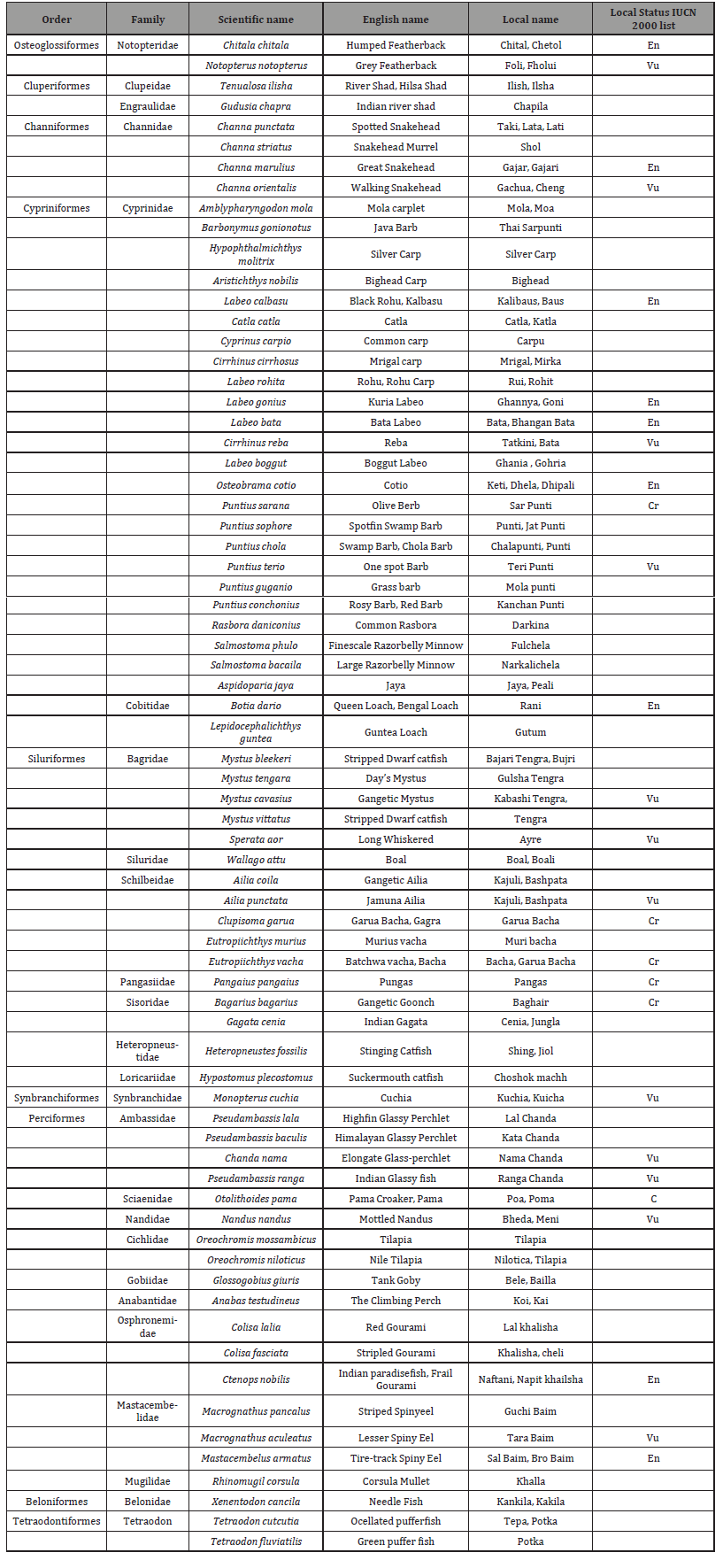
A team conducted the research (Naser, et al ,2016) from December 2012 to November 2013; they also tried to categorize the inventory of fish in this same river. According to their experiment and finding, species richness was then 71 (71 species of freshwater fishes including 65 native and six exotic species) were found in Turag River. Among 71 fish species, nine endangered, five critically endangered and twelve vulnerable species were spotted according to IUCN red list 2000, as shown in Table 4 [18].

Table 4:Classification of threatened fish species in the Turag River, Kaliakoir, Gazipur, according to IUCN red list 2000 [18, 42].
irispublishers-openaccess-textile-science-fashion

Another research by Kamrujjamna et al. (2015) was conducted during July 2010 to June 2012 about the species composition in Bangshi River which is the origin of Turag River.

According to the study, the species abundance was comprised of 33.33% Siluriformes which was the most dominant order, then the percentage is as follows Cypriniformes (31.25%), Perciformes (14.58%), Clupiformes (6.25%), Channiformes (6.25%), Osteoglossiformes (4.16%), Synbranchiformes and Beloniformes of each 2.08% [43].

During October 2014 to September 2015, the composition was found little different. Cypriformes was the most abundant occupied about 39% of the total fish species. Siluriformes was about 22% of fish species and the less abundant fish species were beloniformes, mugiliformes and symbranchiformes each of which obtained only 1% of the total fish species [45].

In the last century, where considerable demand of freshwater arises, the environmental deprivation and habitat loss has been observed, and has threatened several aquatic species [45, 46]. Khanna and Ishaq (2013) recognized that the blame for of the low species diversity of fishes in River Asan (India) goes to the releases from industries, high rate of deposit and effluence due to domestic and commercial wastewater [46, 47].

There was another study conducted in Turag River to know the local community’s observations about the indicators and significances of climate change in 2012. The duration of this study was a three-month period from September 17, 2012. There were participants from fishermen and non-fishermen both groups. They were asked about the perceived changes in temperature, rainfall, flood event, fish abundance and taste. About 80 percent participants (both non-fishers and fishers) noticed that the fish breeding season is altering. Same percentage of people also perceived that fish growth and taste have changed. The majority of them noticed that fish biodiversity has radically declined for 15 years, and they mentioned that the recent temperature has been warmer than in the past, and the occurrence of drought has also been showing the rising tendency [47]. Apart from climate change, overfishing, use of pesticides in the agricultural land which washes off in the river through rains, lack of fish reservation and consciousness, and abuse of fish acts are also responsible for the destruction of fish biodiversity [47].

The growth of fish or catch per unit effort deterioration gradually, even in certain months of the year, fish availability is close to zero in the river Buriganga and Turag due to pollution of the river water [48]. This points towards the lower abundance of the species, and pollution of this river can be blamed for the degraded aquatic ecosystem.

Limitations

There was no current information available on the species biodiversity and no quantitively information about species richness in Turag river. Thus, comparing the situation with old date was not possible, we had to depend on the available data and assume a trend. Also, there was contradictory findings in different studies conducted during closer time duration. More research and government projects like “MACH”, can improve the situation and can have reliable record of fish inventory.

Suggested conservation intervention

• Using natural dyes can eliminate toxic substantially from the source. Consumers also have drawn their attention worldwide regarding the application of textiles (preferentially natural fiber products) dyed with eco-friendly natural dyes and biological chemicals such as enzymes due to increasing awareness concerning the significance of eco-friendly materials [49].

• Water-efficient dyeing technology can save water and, ultimately, water bodies and, consequently, the ecosystem.

• Regular monitoring of the discharge system and ETP of the mills can help reduce pollutants in the river.

• There are policies in place, but proper implementation is needed. Overfishing is another reason to blame for the biodiversity loss. There were about 500 people found who are directly or indirectly dependent on fishing from this river [50]. Law implementation can reduce overfishing tendency and raising awareness among the fishing community would help in the long run to save this river. At the same time creating alternative livelihood for a part of them can reduce overfishing to some extent.

• The water bodies which have been contaminated already should go under monitoring and processing if needed.

• Using improved technology, adopting greener production options, reusing, and recycling treated water may reduce water consumption, effluent volume, water stresses and help preserve aquatic ecosystems.

• The insights from local fishing communities and critical plaintiffs demands an ecosystem assessment at the Turag River to see how changes are maintained by an array of natural and anthropogenic factors and concerns [51]. The local community knowledge and experience should be taken into consideration when implementing a restoration process.

• The Riparian ecosystem restoration can be a groundbreaking way to manage the critical river system [52]. The Riparian ecosystem concept emphasizes greenery on the riverbank to create habitat for many species, boost the quality of soil and offer an uplifting environment for restoration. Riparian zones offer substantial housing for aquatic creatures, water temperature adjustment, dropping deposits and corrosion, etc. This theory also displays that the Riparian zones diminish surface overflow pollution and improve water quality. The bank of the Turag River could be a suitable location to develop the Riparian Ecosystem.

Conclusion

Sustainable and green new technologies should be implemented to continue Bangladesh’s socio-economic growth and develop a healthier ecosystem. Environmental Management, proper law enforcement, sustainable material usage, Riparian Ecosystem all can contribute to the restoration of the Turag River. All of them are appropriate for Bangladesh and can benefit the people living near the Turag River. Since there has been limited research on biodiversity in Turag River, we had to depend on the available secondary data sources. Further research is required on this area to know the extent of damage has been done and more steps needed to be implemented to restore this valuable ecosystem.

To read more about this article....Open access Journal of Textile Science & Fashion Technology

Please follow the URL to access more information about this article

https://irispublishers.com/jtsft/fulltext/an-overview-on-the-impacts-of-textile-effluents-on-the-aquatic-ecosystem-in-turag-river-at-bangladesh.ID.000719.php

To know more about our Journals...Iris Publishers

To know about Open Access Publishers

Monday, August 5, 2024

Iris Publishers-Open access Journal of Neurology & Neuroscience | Clinical Utility of Thrombelastography in Acute Stroke- a Current Point of View


Authored by Adam Wiśniewski*,

Introduction

Thrombelastography measures the dynamics of coagulation processes and clot formation in venous blood and it is estimated that this approach may be superior to conventional, static tests that assess the coagulation system [1]. Monitoring the coagulation values, in particular hypercoagulability, is widely used in many branches of medicine [2-4]. Hyperactivation of coagulation system undoubtedly constitutes a significant risk factor for ischemic stroke [5]. Therefore, the potential role of thrombelastography for diagnostic and predictive purposes is raised and increasingly attempts are made to use this innovative tool also in the field of stroke [6].

The following thrombelastography parameters are provided to evaluate the thrombosis process:

reaction time (R) – showing the time needed to detect a clot; clots kinetics (K) – indicating the time when a clot achieved the diameter of 20 mm; angle (alpha) – a marker of clot growth and strengthening and maximum amplitude (MA) – reflecting the maximum firmness of a clot. The most important value related to fibrinolysis is LY30 - measuring the percentage of lysed clot after half an hour. The R and K values reflect the time of clot formation and alpha and MA are associated with its strength and enlargement. All the values have been set as a marker of hypercoagulability and their usefulness for stroke assessment and prediction were tested in several studies.

Elliot et al. [7] reported lower values of R and K parameters in stroke subjects that indicated faster clot formation compared to healthy control. Moreover, the parameters of angle and MA achieved also significantly higher values among strokes, which shows the tendency to form firm and large clots as opposed to the control. The authors emphasized the hypercoagulable status of ischemic strokes. This study was pioneering and signaled the need for further research to assess prognostic properties of thrombelastography in stroke. Yao et al. [8] measured the hypercoagulability by means of MA and revealed that severe strokes on admission (assessed in the National Institutes of Health Stroke Scale) exhibited significantly higher values of the clot maximal diameter than those observed in mild and moderate strokes. It proves an important relationship of stroke severity and poor early neurological condition and availability to strengthening and enlargement of thrombus. Furthermore, the authors highlighted that the maximal diameter of clot (measured in MA) was significantly elevated in stroke subjects with unfavorable functional outcome, estimated at twelve month after the onset of stroke in the modified Rankin Scale. Above finding underlines the impact of the initial firmness of clot on stroke late poor prognosis and recovery. Shi et al. [9] compared thrombelastography parameters in relation to early neurological deterioration (measured as an increase in the National Institutes of Health Stroke Scale total score over time). The authors noted that stroke subjects experienced early deterioration in clinical status achieved significantly lower values of R, whereas the other parameters did not differ compared to stroke subjects without deterioration. It indicates that worsening in early stage of ischemic stroke might be associated with shorter time of clot detection and faster time of clot formation, whereas no relationships with parameters describing clot strength and firmness were detected.

Attempts were also made to use thrombelastography to monitor the effectiveness of reperfusion therapy [10]. However, so far no significant impact of thrombelastography values on clinical outcome of stroke subjects who underwent intravenous thrombolysis was confirmed. Nonetheless, the predictive properties were identified in estimating the risk of hemorrhagic transformation in subjects treated with alteplase. Furthermore, other authors also highlighted that thrombelastography parameters may catch the stroke subjects at increased risk of hemorrhagic complications, not related to reperfusion therapy [11]. Above findings may suggest greater use of the tool in assessing the safety compared to efficacy profile. In addition, the relationships of thrombelastography parameters with radiological findings were also raised. Kawano-Castillo et al. [12] investigated the subjects with intracranial hemorrhage and reported that longer time related to clot formation (prolonged K values) is associated with hematoma enlargement, which undoubtedly affect the prognosis. Shi et al. [9] analyzed relationship between thrombelastography values and new ischemic changes in diffusion-weighted imaging. The authors found that low R values, reflecting short time for clot formation significantly increased the new lesions visible in neuroimaging. This indirectly proves that thrombelastography may be useful in assessing the risk of progression of the neurological condition in stroke related to the extension of ischemic focus.

In my opinion the presented studies highlight the potential benefits of a comprehensive coagulation assessment measured by thrombelastography in stroke. Hypercoagulability or tendency to form solid and firm clots assessed by thrombelastography values may be useful in prediction of early and late clinical outcome, early neurological deterioration and monitoring the safety profile. Further research are needed in this field to improve the clinical utility of thrombelastography in stroke assessment.

To read more about this article....Open access Journal of Neurology & Neuroscience

Please follow the URL to access more information about this article

https://irispublishers.com/ann/fulltext/clinical-utility-of-thrombelastography-in-acute-stroke-a-current-point-of-view.ID.000730.php

To know more about our Journals...Iris Publishers
To know about Open Access Publishers

Iris Publishers-Open access Journal of Hydrology & Meteorology | Influence of Community Resilience to Flood Risk and Coping Strategies in Bayelsa State, Southern Nigeria

  Authored by  Nwankwoala HO *, Abstract This study is aimed at assessing the influence of community resilience to flood risk and coping str...